Featured brand
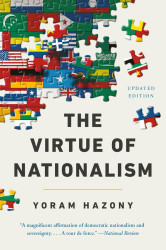
The Virtue of Nationalism - Yoram Hazony
In this "tour de force" (National Review), the leader of the National Conservatism movement argues that...
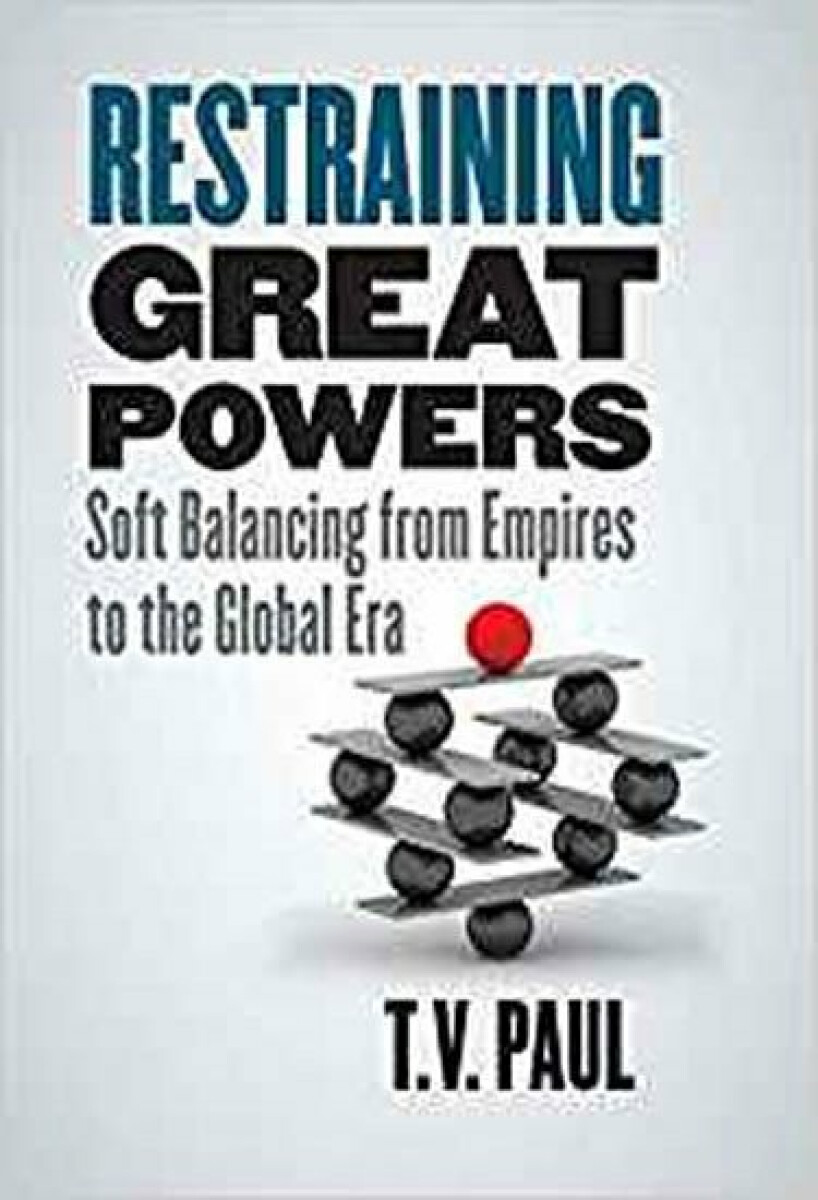
Produkt Restraining Great Powers : Soft Balancing from Empires to the Global Era - Paul T. V. od značky Yale University Press působí velmi povedeným dojmem. Silnou stránkou je především to, že nabízí spolehlivý výkon bez zbytečných kompromisů. Pokud hledáte jistotu v kategorii its category, jde o velmi povedenou volbu. Redakční hodnocení: 4,8 z 5.
How subtler forms of balance-of-power politics can help states achieve their goals against aggressive powers without wars or arms races At the end of the Cold War, the United States emerged as the world's most powerful state, and then used that power to initiate wars against smaller countries in the Middle East and South Asia. According to balance-of-power theory-the bedrock of realism in international relations-other states should have joined together militarily to counterbalance the U.S.'s rising power. Yet they did not. Nor have they united to oppose Chinese aggression in the South China Sea or Russian offensives along its Western border. This does not mean balance-of-power politics is dead, argues renowned international relations scholar T.V. Paul, but that it has taken a different form. Rather than employ familiar strategies such as active military alliances and arms buildups, leading powers have engaged in "soft balancing," which seeks to restrain threatening powers through the use of international institutions, informal alignments, and economic sanctions. Paul places the evolution of balancing behavior in historical perspective from the post-Napoleonic era to today's globalized world.
In this "tour de force" (National Review), the leader of the National Conservatism movement argues that...
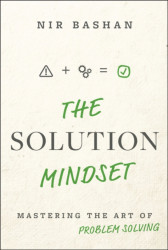
Unleash your inner creative genius and transform every challenge into an opportunity with powerful problem-solving techniques...
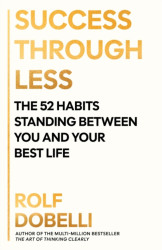
The author of the multi-million-bestselling The Art of Thinking Clearly reveals the habits the world's most...
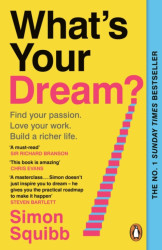
Discover the inspiring, must-read business book and #1 Sunday Times bestseller to help you achieve fulfilment...